
The journey of hydrogen 2 — From design to maintenance: how to build a reliable hydrogen system
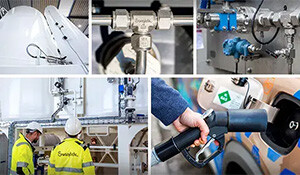
Those who after reading Part 1 thought, "We understand hydrogen now," will discover in this second part that the real work only begins then. Because once strategy, expectations and positioning are clear, it comes down to the question: how do you build a hydrogen system that runs safely, stably and efficiently for years?
The journey of hydrogen 1 — Why hydrogen is more difficult than it seems
In many discussions, hydrogen seems the ideal energy carrier: clean, flexible, applicable in industry and mobility, and ideally suited for storing renewable energy. But those who really step into the world of hydrogen discover a reality that is more complex and technical than many people expect. Behind the press releases, pilot projects and ambitious goals lies a daily practice in which design cho …
Key Considerations for Hydrogen Fuel Cell Fittings in Clean Energy
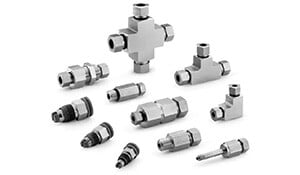
Five Qualities to Look for in Fittings for Hydrogen Fuel Cell Technology One of the most formidable challenges in the development of safe, reliable, and leak-tight hydrogen fuel cell vehicles and infrastructure is the nature of hydrogen itself. Hydrogen is a small-molecule gas. It can easily escape through the tiniest of crevices and diffuse into the materials designed to contain them. In the tran …
Top 5 Hydrogen Infrastructure Best Practices
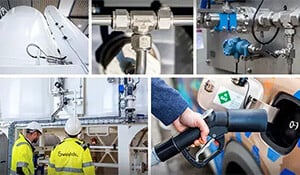
The Top 5 Best Practices for Designing Hydrogen Fluid Systems Hydrogen is one of the world’s most promising sources of clean and sustainable energy and power. From transportation and material handling to stationary, portable, and emergency backup power, it’s useful in a range of applications—and industries everywhere are taking notice.